
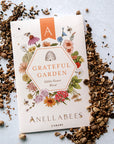
Edible Flower and Herb Garden Seed Mix for Pollinator Gardens
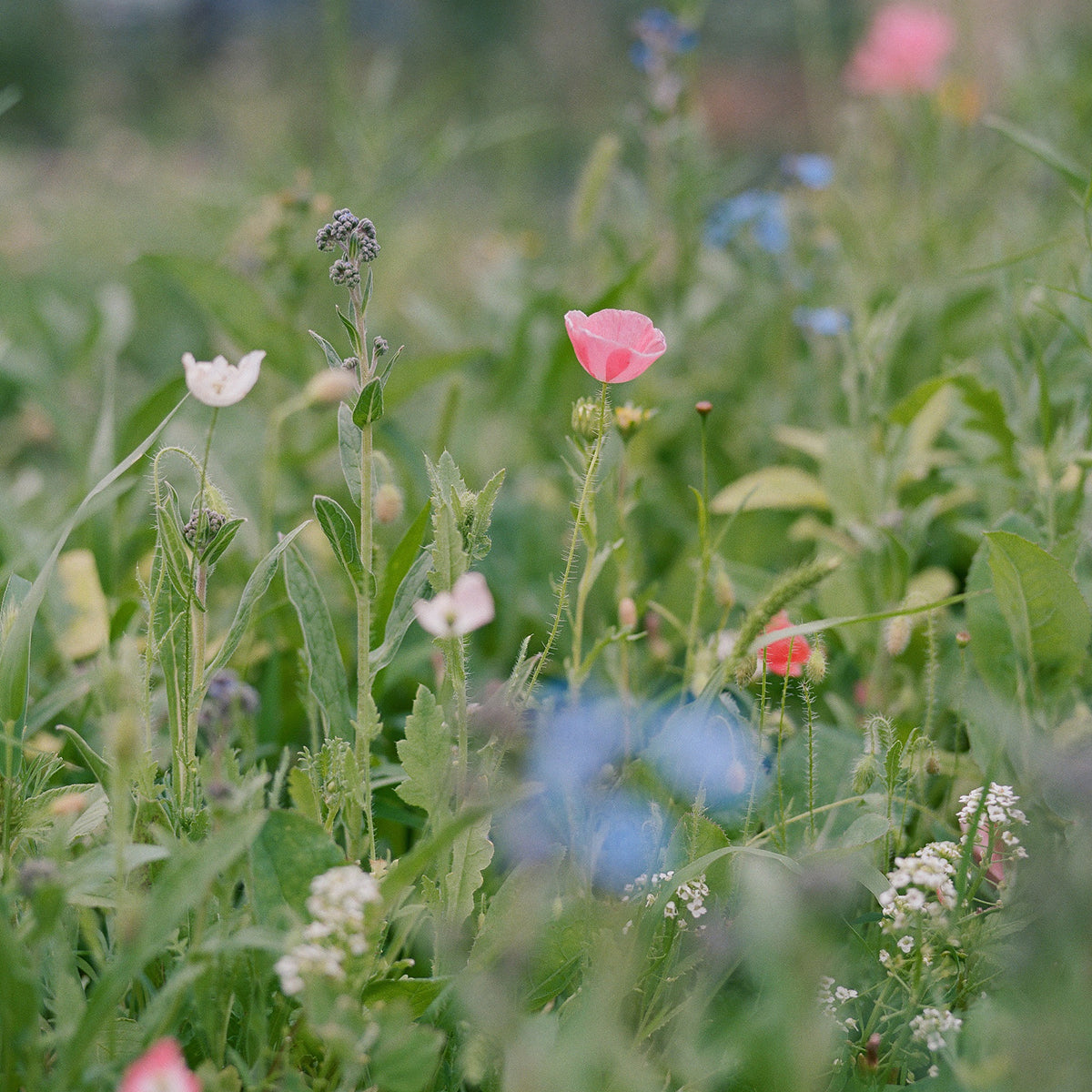
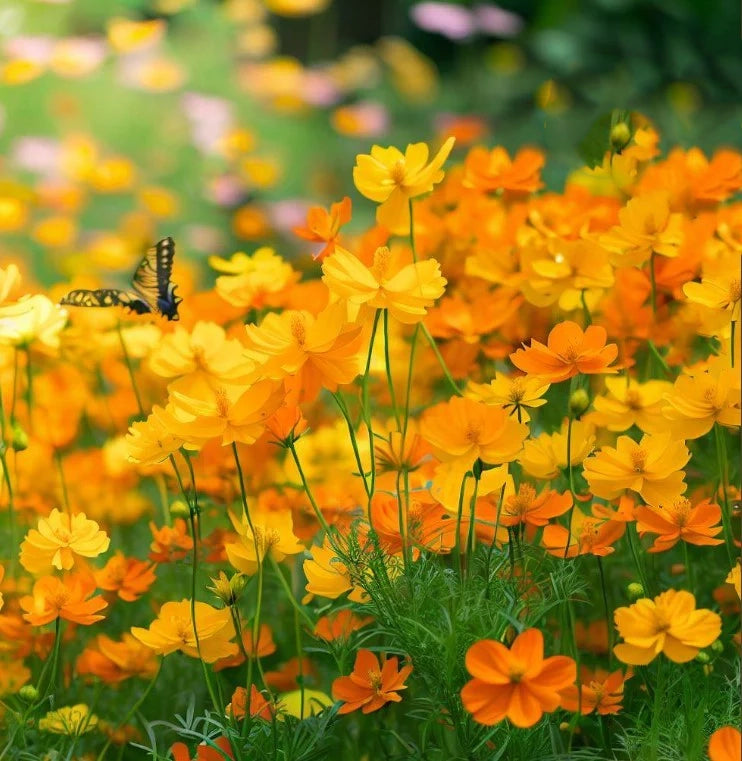
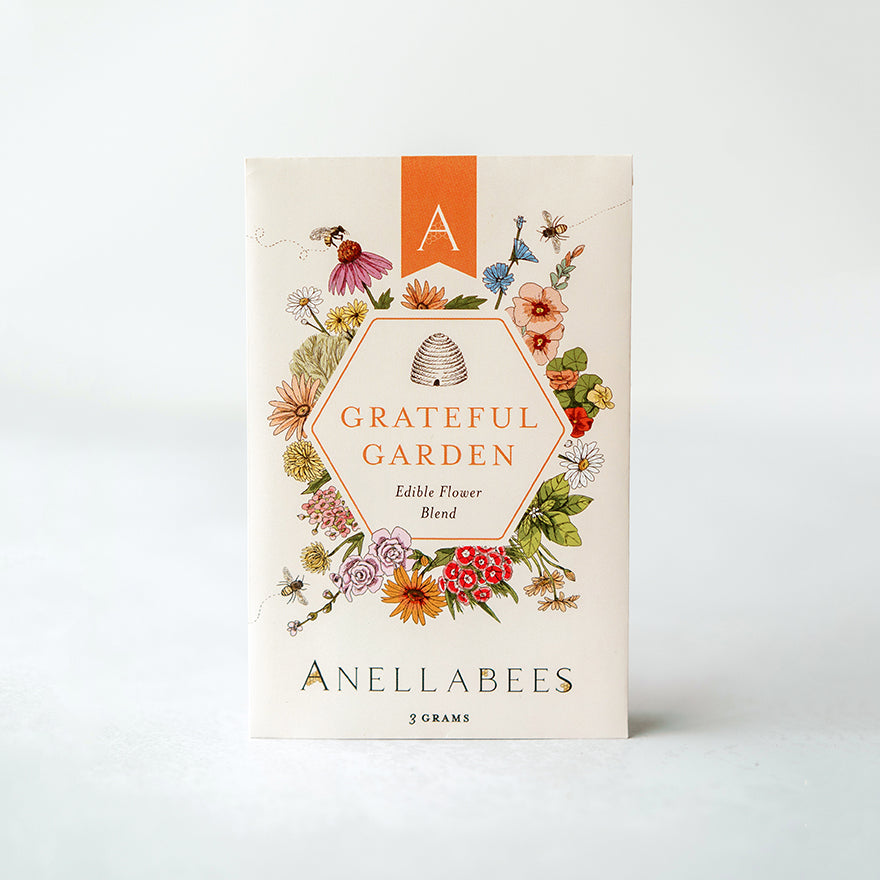
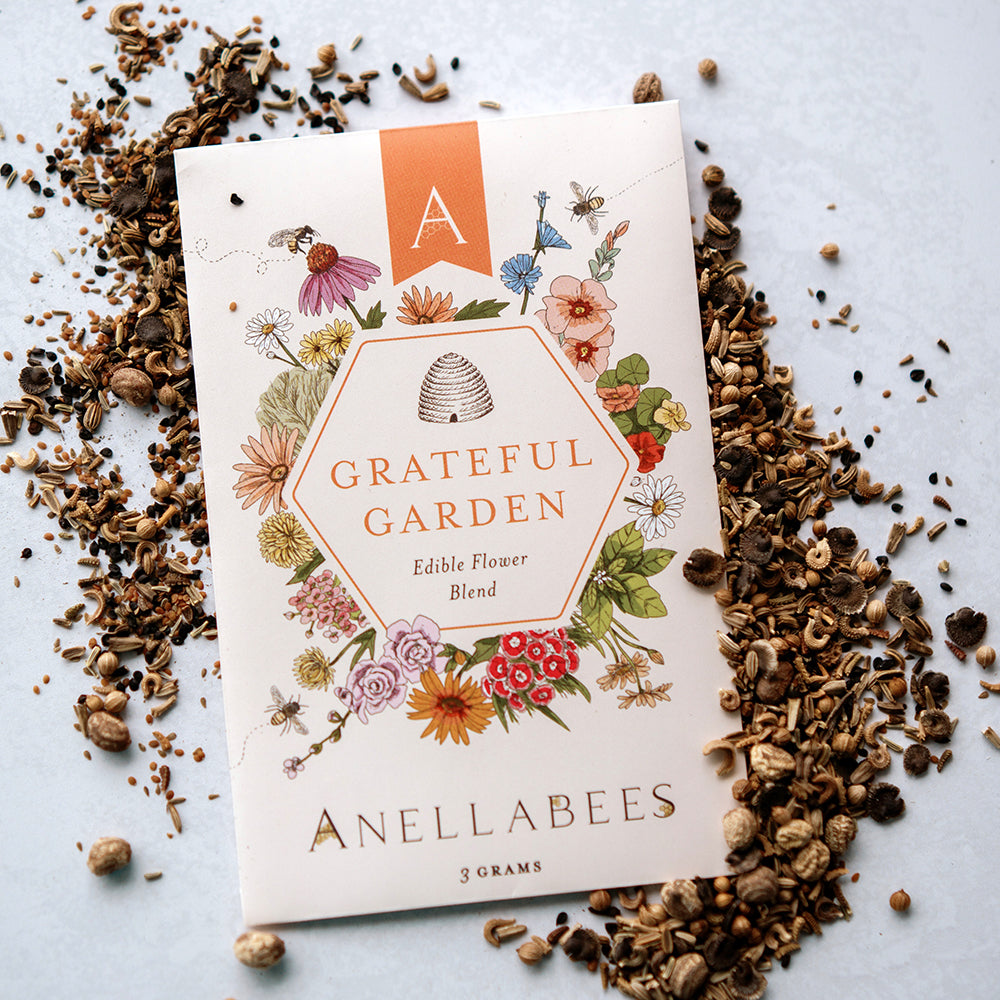
Transform your garden into an edible paradise for both you and pollinators! This blend produces a gorgeous array of blooms and herbs with flavors ranging from spicy to sweet. Use the colorful petals to pep up your cocktails, cakes, and salads, while bees, butterflies, and beneficial insects enjoy the fragrant nectar and pollen.
What's in This Edible Flower Blend:
Every packet contains these 13 varieties:
Nasturtium Dwarf Jewel:
- Compact, mounding plants with orange, yellow, and red blooms
- Peppery, watercress-like flavor (flowers and leaves are edible)
- Use: Salads, sandwich garnish, stuffed with herbed cheese, pesto
Calendula Fancy Mix (Pot Marigold):
- Golden-orange and yellow daisy-like flowers
- Mild, slightly peppery flavor with saffron notes
- Use: Salad topper, infused oils, rice dishes, soups, tea
Chicory:
- Sky-blue flowers that open in the morning
- Pleasantly bitter, endive-like flavor (petals and young leaves are edible)
- Use: Salads, garnish, roasted roots as a coffee substitute
Coriander Slow Bolt:
- Slow-to-bolt cilantro with lacy white flowers
- Leaves taste like cilantro; flowers are milder; seeds become coriander
- Use: Salsas, tacos, curries, garnish
Fennel Florence:
- Feathery fronds, yellow umbel flowers, and a sweet bulb
- Mild anise flavor (bulb, fronds, flowers, and seeds are edible)
- Host plant for swallowtail butterfly caterpillars
- Use: Roasting, salads, fish dishes, herb butter
Sweet Basil:
- Fragrant leaves and small white flowers loved by bees
- Classic basil flavor; flowers are a little milder
- Use: Pesto, caprese, pasta, flower garnish on tomatoes
Sweet Alyssum:
- Low clusters of tiny white, honey-scented flowers
- Mild, slightly peppery flavor
- Use: Salad and dessert garnish, container edges
Sweet William Single (Dianthus):
- Clusters of pink, red, and white fringed blooms
- Sweet, clove-like flavor (remove the bitter white base of each petal)
- Use: Cake decoration, salads, cocktail garnish
Hollyhock Summer Carnival:
- Tall spikes of ruffled blooms in mixed colors
- Mild, slightly sweet petals
- Use: Salads, garnish, whole flowers as edible serving cups
Common Daisy:
- Small white and pink daisies
- Mild, slightly tangy flavor (buds and petals)
- Use: Salad garnish, sandwiches, cake decoration
Alaska Shasta Daisy:
- Large classic white daisies with golden centers; perennial
- Petals have a mild, slightly tangy flavor; use as a garnish
- Use: Salad garnish, cut flowers
Purple Coneflower (Echinacea):
- Purple-pink petals around a spiky orange cone; perennial
- Petals are traditionally used in herbal tea
- Seed heads feed goldfinches in fall
African Daisy:
- Bright daisy blooms in sunny shades
- Adds color and draws pollinators to the bed
Why This Mix is Special:
Farm to Table in Your Backyard:
- Grow gourmet ingredients steps from your kitchen
- Save money on expensive specialty garnishes
- Untreated, open-pollinated seeds from small family farms in the USA
- Impress guests with homegrown edible flowers
Flavor Profiles to Explore:
- Peppery & Spicy: Nasturtium, sweet alyssum
- Clove-Like: Sweet William
- Sweet Anise: Fennel
- Herbaceous: Basil, coriander
- Pleasantly Bitter: Chicory
- Mild & Sweet: Hollyhock, common daisy
- Slightly Peppery: Calendula
Pollinator Paradise:
- Attracts bees, butterflies, hummingbirds, and beneficial insects
- Provides nectar and pollen from late spring through fall
- Creates biodiversity in your garden
- Natural pest control (beneficial insects eat garden pests)
Perfect For: Edible landscaping, kitchen gardens, cocktail enthusiasts, home bakers, salad gardens, pollinator gardens, teaching kids about edible plants, and farm-to-table cooking.
Culinary Uses & Inspiration:
Cocktails & Beverages:
- Freeze small blooms like alyssum and sweet William in ice cubes
- Float fresh flowers on cocktails, lemonade, and punch
- Muddle nasturtium petals into gin cocktails
- Brew coneflower petal or calendula tea
- Create infused syrups with fennel or basil
Salads & Savory Dishes:
- Toss chicory, calendula, and daisy petals into green salads
- Use nasturtium leaves like arugula
- Garnish soups with calendula petals
- Top deviled eggs with coriander or fennel flowers
- Stuff nasturtium flowers with herbed cheese
Desserts & Baking:
- Decorate cakes and cupcakes with sweet William and daisies
- Make candied flowers for elegant garnishes
- Press petals into sugar cookies before baking
- Create edible flower confetti for desserts
Compound Butters & Spreads:
- Mix calendula petals into softened butter
- Create nasturtium cream cheese
- Make herb butter with fennel fronds or basil flowers
- Infuse honey with fennel flowers
Growing Tips:
- Direct sow outdoors after last frost; not recommended to start inside
- Scatter seeds 1/4 inch deep in full sun
- Seedlings emerge in 5 to 14 days
- Water regularly until established
- Thin as needed to encourage larger plants
- Flowers late spring through fall
- USDA hardiness zones 3 to 9
Harvesting Edible Flowers:
- Pick flowers in the morning after dew dries
- Choose blooms at their peak (fully open, fresh-looking)
- Gently rinse and pat dry before using
- Use fresh for best flavor
- Harvest regularly to encourage more blooms
Safety & Preparation:
- Only eat flowers you've grown yourself or know are untreated
- Never use flowers from florists (often treated with chemicals)
- Only eat flowers you can positively identify
- Introduce one variety at a time if you have food sensitivities or allergies to daisy-family plants
- Remove flower bases, stems, and sepals (often bitter)
Container Garden Friendly:
- Great for patio pots, window boxes, and balcony gardens
- Sweet alyssum and nasturtium spill nicely over container edges
- Use 12 to 16 inch containers for best results
Educational Value:
- Teaches kids which flowers are safe to eat
- Shows the connection between gardens, pollinators, and food
- Great for school gardens and family projects
Storage Instructions: Store seeds in a cool, dry place away from direct sunlight and humidity. Packed for 2027.
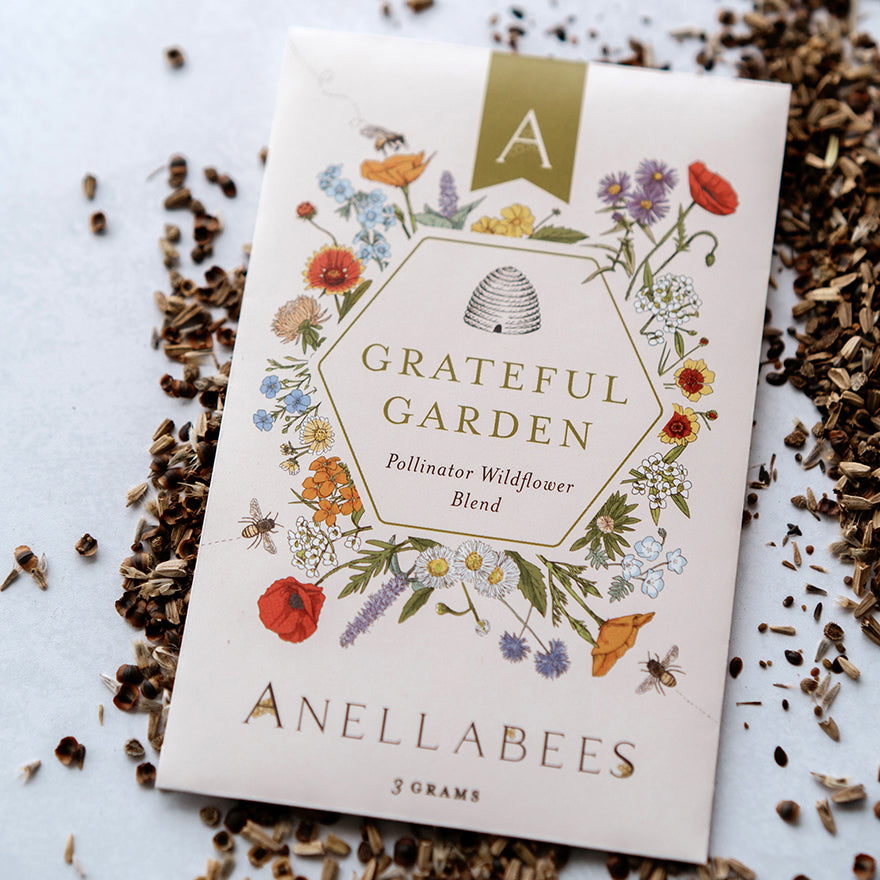
Gift-Ready Packaging: A beautiful seed packet that makes a perfect gift for foodies, bakers, gardeners, Mother's Day, housewarmings, or wedding favors.
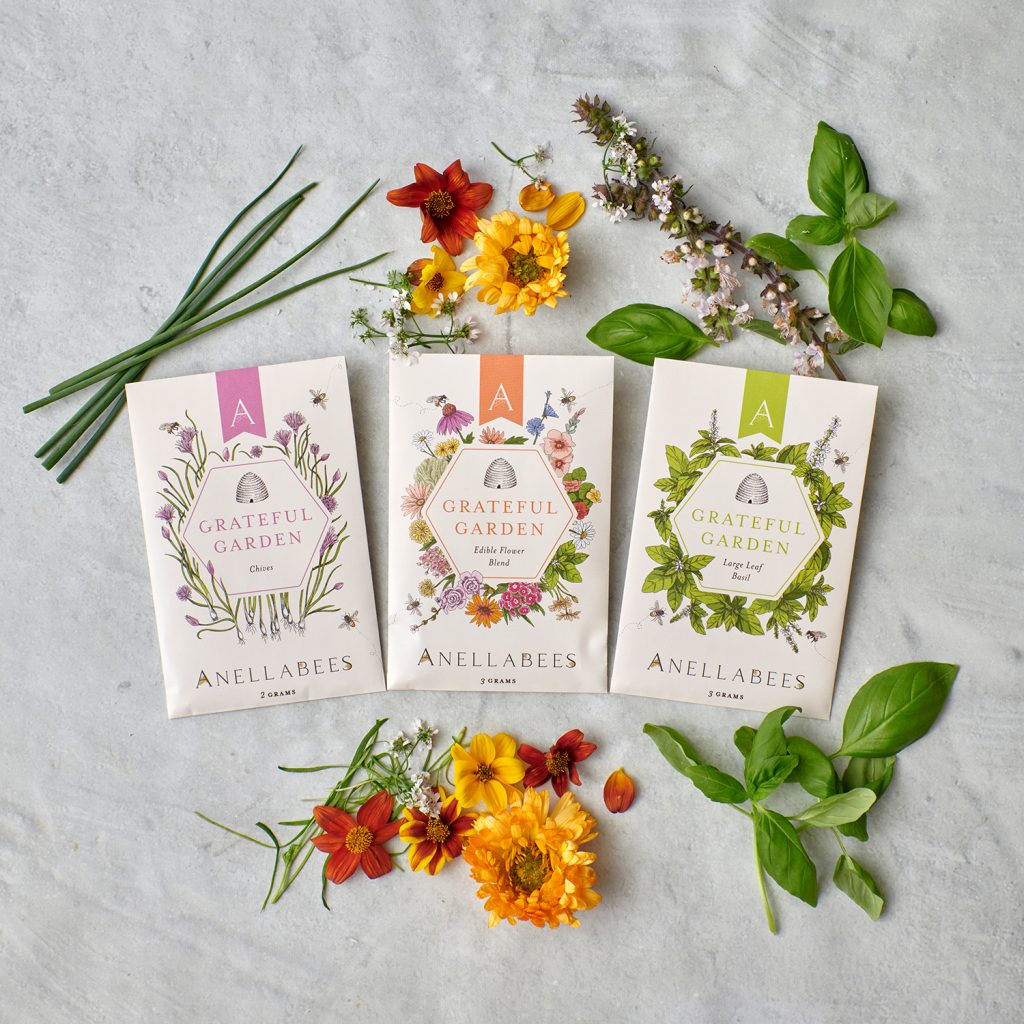
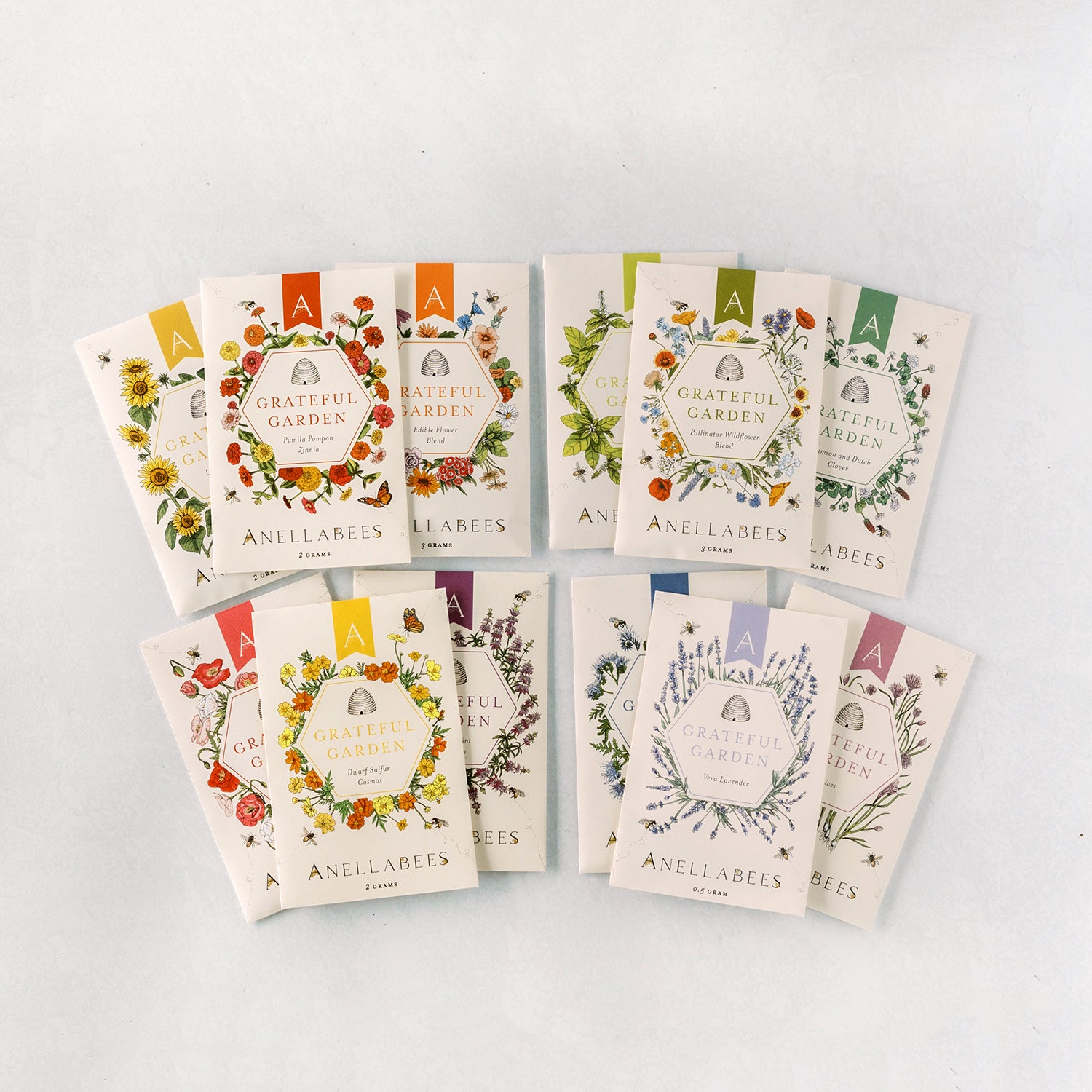
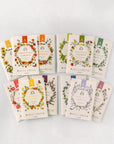
Complete Your Edible Garden: Pair this mix with our Herb & Edible Seed Collection (6-pack), try our Pollinator Garden Seed Collection (12-pack), or browse our complete Garden Seeds Collection.
Growing notes and instructions are detailed on the back of the packet.
Store seeds in a cool, dry place away from direct sunlight and high humidity. The ideal temperature is between 32° and 41°F.
You may also like