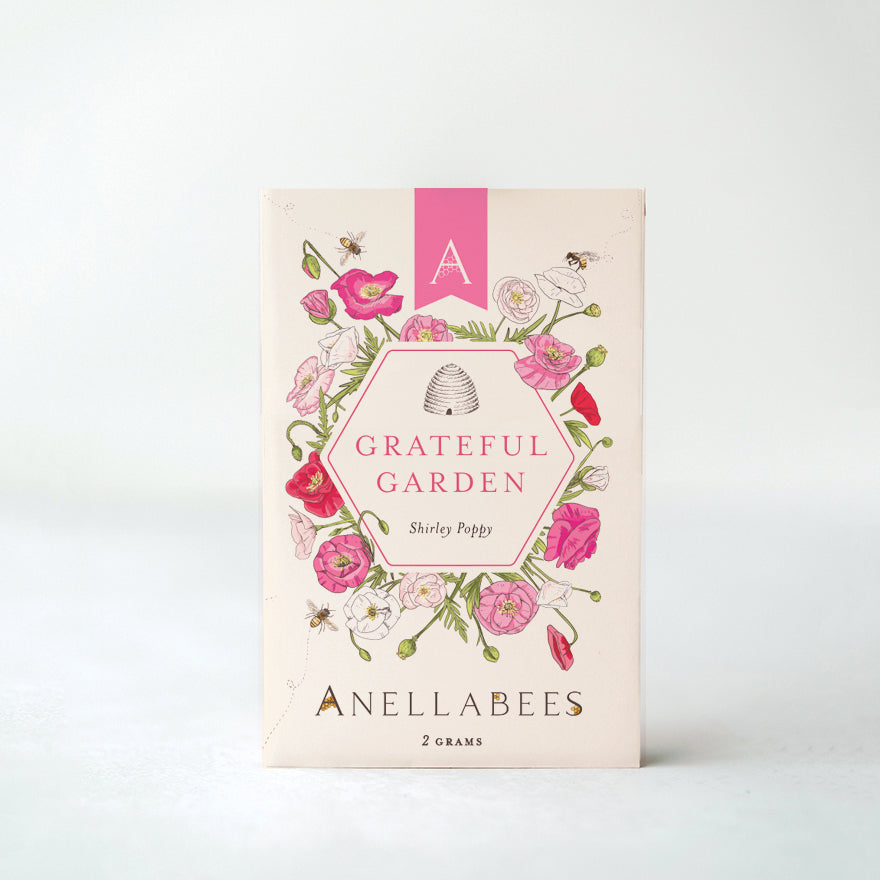

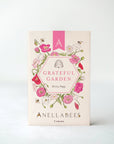

Shirley Poppy Flower Seeds for Honeybees and Pollinators
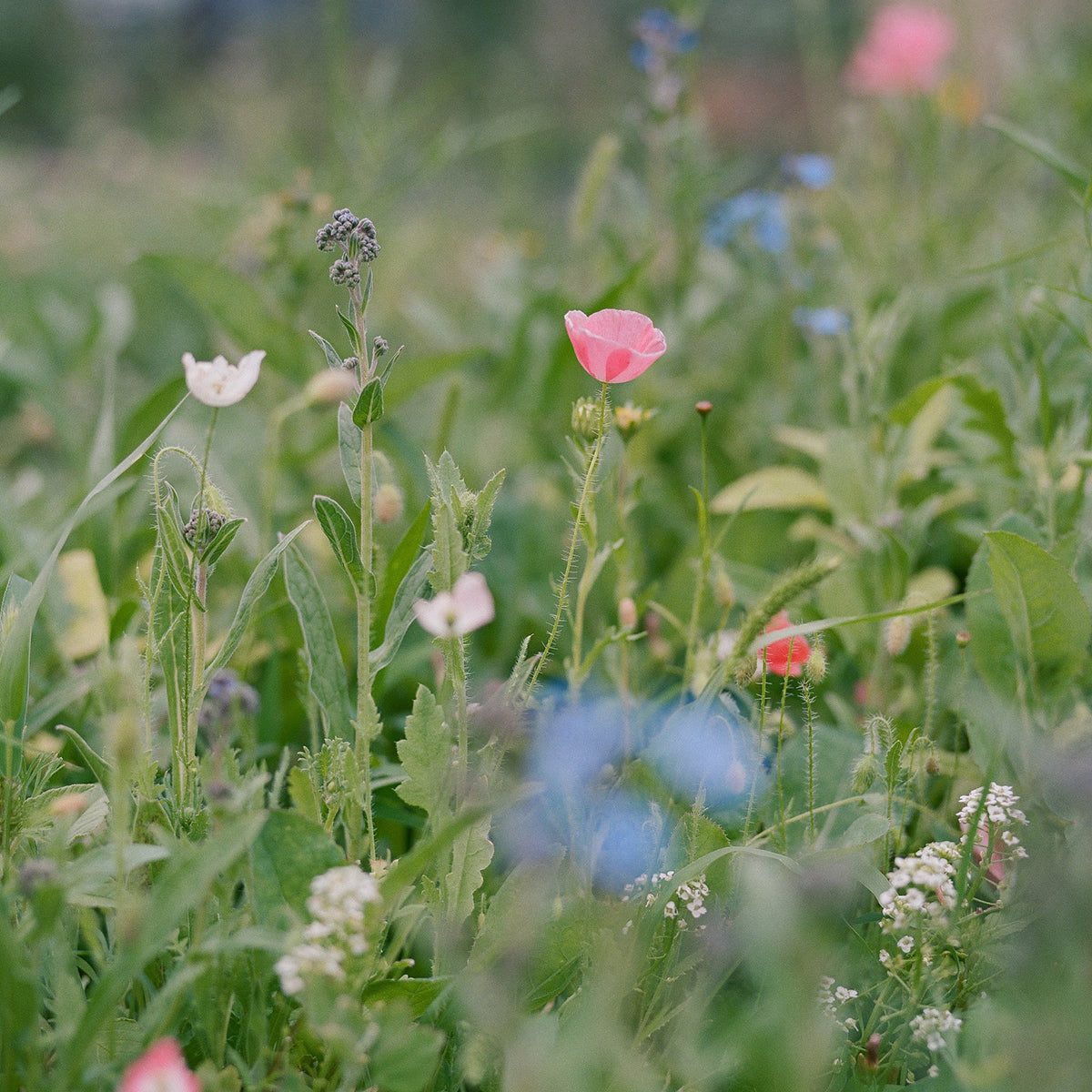
Add delicate, romantic beauty to your garden with Shirley Poppies! These ethereal blooms feature tissue-paper-thin petals in stunning shades of pink, white, peach, salmon, and rose, many with beautiful contrasting picotee edges and ruffled, crinkled textures. Beloved by bees and butterflies, Shirley Poppies are easy-to-grow, low-maintenance flowers that bring cottage garden charm and abundant pollinator activity to any sunny spot. Perfect for wildflower meadows, cutting gardens, or adding soft, romantic color to borders and beds.
What Makes Shirley Poppies Special:
Exquisite Romantic Blooms:
- Delicate, silky petals with a tissue-paper texture
- Single-petaled flowers (4 petals per bloom)
- Colors range from soft white and blush pink to vibrant coral, salmon, and deep rose
- Many blooms feature picotee edges (darker or lighter petal edges)
- Beautiful ruffled and crinkled petal edges add texture
- Dark centers contrast beautifully with pale petals
- Flowers measure 2-4 inches across
Pollinator Magnet:
- Single-petal structure provides easy access to nectar and pollen
- Bees absolutely love Shirley Poppies
- Attracts butterflies and beneficial insects
- Provides early-season food for emerging pollinators
- Dark seed heads provide food for songbirds after blooming
Cottage Garden Classic:
- Timeless heirloom variety dating back to the 1880s
- Named after Reverend William Wilks of Shirley, England
- Quintessential English cottage garden flower
- Brings old-fashioned, romantic charm to modern gardens
- Perfect for whimsical, naturalistic plantings
Easy to Grow & Self-Sowing:
- One of the easiest flowers to grow from seed
- Germinates quickly (usually within 10-15 days)
- Thrives on neglect once established
- Self-seeds readily for blooms year after year
- Minimal maintenance required
Perfect For: Cottage gardens, wildflower meadows, pollinator gardens, cutting gardens, romantic garden designs, naturalized areas, spring borders, memorial gardens, English gardens, photography, wedding flowers, Mother's Day gifts, housewarming gifts, garden enthusiasts.
Growing Your Shirley Poppies:
Planting Instructions:
- IMPORTANT: Poppies prefer direct sowing (don't transplant well)
- Sow seeds directly outdoors in early spring or fall
- Press seeds lightly into soil surface (needs light to germinate)
- Do not cover seeds with soil
- Keep moist until germination (10-15 days)
- Thin seedlings to 6-8 inches apart
Best Growing Conditions:
- Full sun (6+ hours daily)
- Well-drained soil, tolerates poor to average fertility
- Prefers cooler temperatures for germination
- Does not like extreme heat
- Once established, very drought-tolerant
- USDA hardiness zones 3-9, may thrive in zones 1-11
Height & Spread:
- Plants grow 18-24 inches tall
- Slender, hairy stems with feathery, blue-green foliage
- Space 6-8 inches apart for best results
- Airy growth habit allows companion planting
Bloom Time & Duration:
- Blooms in late spring to early summer
- Each flower lasts only 1-2 days (but plants produce many blooms)
- Blooming period extends 3-6 weeks with successive sowings
- Self-sows for continuous blooms in following years
- Plant every 2-3 weeks for extended bloom season
Care & Maintenance:
Minimal Care Needed:
- Water regularly until established
- Drought-tolerant once mature
- No fertilizing needed (encourages foliage over flowers)
- No deadheading required unless preventing self-seeding
- Allow seed heads to form for next year's blooms
- Leave seed heads for birds in fall/winter
Self-Seeding Success:
- Poppies readily self-seed if allowed
- Let some flowers go to seed at end of season
- Seeds will scatter naturally and germinate next spring
- Creates naturalized drifts over time
- No need to replant each year
Cutting Garden Favorite:
- Makes stunning, romantic cut flowers
- Harvest in bud stage just as petals begin to open
- Sear stem ends with flame for longer vase life
- Use in loose, airy arrangements
- Petals have an ethereal, watercolor quality
- Typically last 2-3 days in a vase
Companion Planting:
- Pairs beautifully with:
- Foxgloves
- Delphiniums
- Lupines
- Sweet Peas
- Bachelor's Buttons (Cornflowers)
- Nigella (Love-in-a-Mist)
- Ornamental grasses
- Cosmos
Historical & Cultural Significance:
- Developed by Reverend William Wilks in the 1880s
- Named after his vicarage in Shirley, England
- Selected from wild corn poppies (Papaver rhoeas)
- Became beloved in English cottage gardens
- Symbol of remembrance (related to Flanders poppies)
Photography & Special Events:
- Highly photogenic with ethereal, painterly quality
- Perfect for wedding bouquets and corsages
- Romantic garden photography subject
- Creates dreamy, soft-focus garden scenes
- Backlit petals glow beautifully in morning/evening light
What to Expect First Year:
- Quick germination (10-15 days)
- Fast growth to flowering (8-10 weeks from seed)
- Abundant blooms in late spring/early summer
- Self-seeds for next year if allowed
- Low-maintenance, carefree performance
Common Questions:
Q: Why won't my poppies transplant well? A: Poppies have a long taproot that doesn't like disturbance. Always direct sow where you want them to grow.
Q: Can I prevent self-seeding? A: Yes, deadhead spent blooms before seed pods form. But allowing self-seeding means free flowers next year!
Q: Do Shirley Poppies contain opium? A: No. Shirley Poppies (Papaver rhoeas) are ornamental corn poppies, completely different from opium poppies (Papaver somniferum).
Storage Instructions: Store seeds in a cool, dry place away from direct sunlight and high humidity. Ideal storage temperature is between 32-41°F. Properly stored seeds remain viable for 2-3 years.
Gift-Ready Packaging: Beautiful seed packet makes a perfect gift for cottage garden enthusiasts, romantic gardeners, bee lovers, Mother's Day, memorial gardens, housewarming gifts, wedding favors, or anyone who appreciates delicate, old-fashioned blooms.
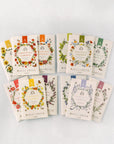
Create a Complete Cottage Garden: Pair with our Flower Seed Collection (6-pack) for more cottage garden favorites, try our Pollinator Wildflower Seed Blend for a naturalized meadow, or browse our complete Garden Seeds Collection for additional varieties.
Growing notes and instructions are detailed on the back of the packet.
Store seeds in a cool, dry place away from direct sunlight and high humidity. The ideal temperature is between 32° and 41°F.
You may also like